

Mince pies
Our very worst branding for our very best pie.

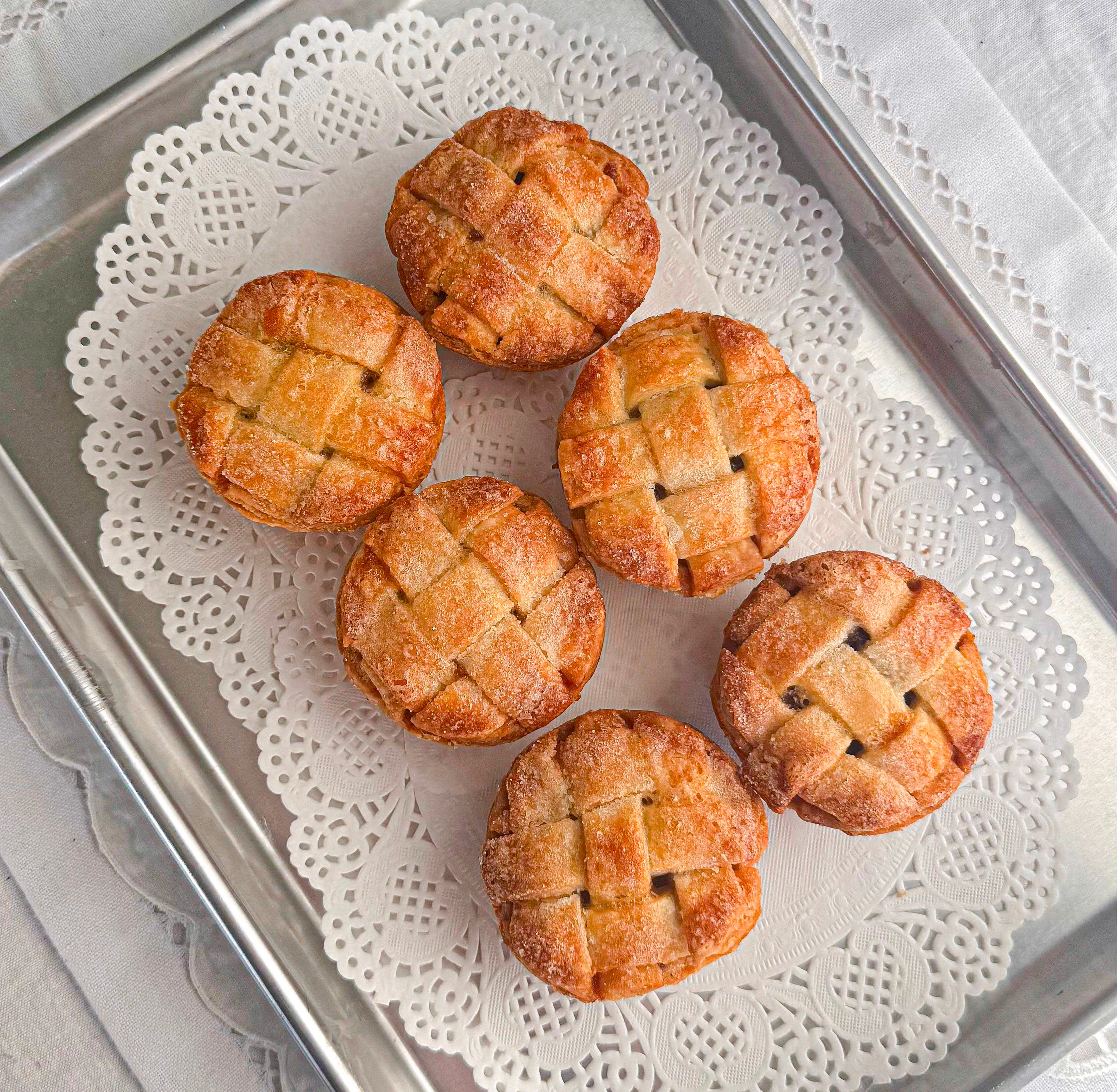
Contrary to slander and a carefully crafted public image, British people actually love fruit. Ever since the first crusader limped home with some dessicated figs in his pack, we’ve been mad for the stuff. So mad, in fact, we’ve been putting dried fruit on anything in sight. And what’s always in sight in an English kitchen? Well, well, well, a meat pie.
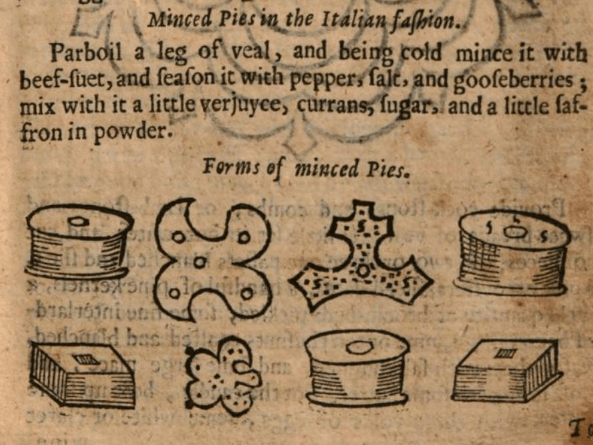
Such is the origin-ish story of the mince pie, or more properly “mincemeat pie.” The original shocker wasn’t the idea of meat in a fruit pie, but fruit and spices in a meat pie. With ample grazing land (and few crops sturdy enough to compete for it), beef and mutton have been readily available in Britain for centuries, but dried fruits and spices from the eastern mediterranean were rare luxuries, and a meat pie studded with raisins was a very good reason to brag. As trade blossomed and incomes increased, the fruit to meat ratio steadily climbed until we hit the ceiling: 100% fruit. 0% steak. Did we change the name? What a silly question.
What is a mince pie…in 2025?
A mince pie is shortcrust pastry wrapped around mincemeat and baked. Simple. But, what is mincemeat? The best way to describe it is a multi-generational, time-traveling ambrosia salad of all of Britain’s favourite flavours. Raisins? Yes. Hardy fats? Yes. Brown sugar? Yes. Brandy? Absolutely. As mincemeat moved through the centuries since (at least) 1390, it trawled up each era’s new “luxury” ingredient and added it to the mix. Though recipes vary from home to home, you usually always find raisins, currants, mixed spices, sultanas (golden raisins), candied citrus peel, apples, sugar, and suet*. All that gets soaked in brandy and left to age for weeks, even years, until maximally delicious. Common additions can include nuts, plums, dates, lemon, cream cheese, quince, red wine, and yes, even steak.
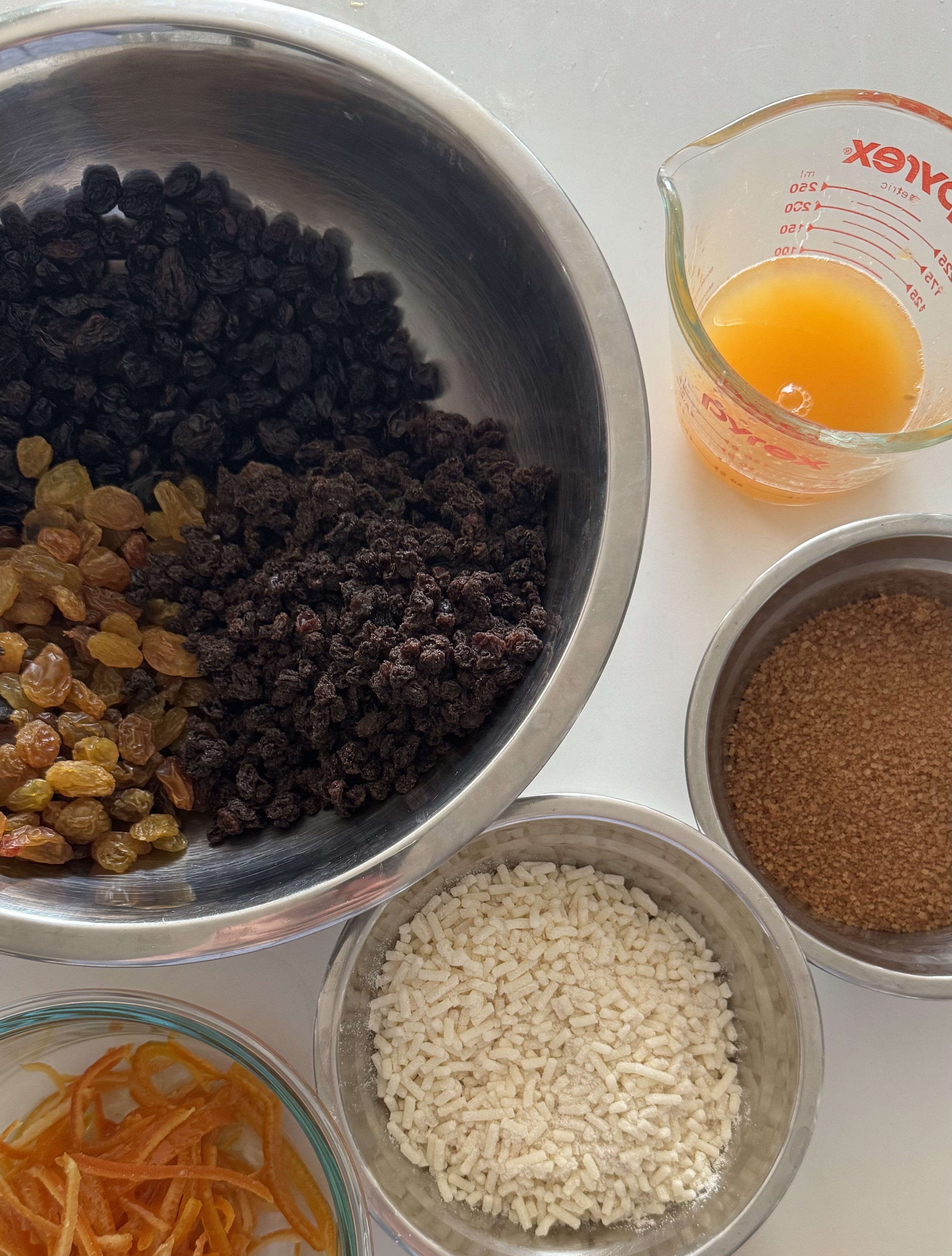
*Hold on, what’s suet? Suet is a hard fat found around kidneys, usually beef or lamb. It’s so firm, it’s most commonly sold as grated pellets. Unlike butter which contains water, suet is 100% fat, so it adds richness without any sogginess. Don’t be alarmed by the viscera of it all: suet imparts no flavour. It’s exceptional for baking because it has very high melting point, Supporting a dough’s structure long before the fat melts out, leaving lovely little air pockets. Suet is a very common addition to pie crusts and steamed puddings, as in Jam Roly Poly, but here, uncommonly, it shines in the filling, where it keeps mincemeat fresh through a long aging process before rendering into fruit like silk. Don’t fret if you have no idea where to source suet. I’ve offered replacements in the recipe below.
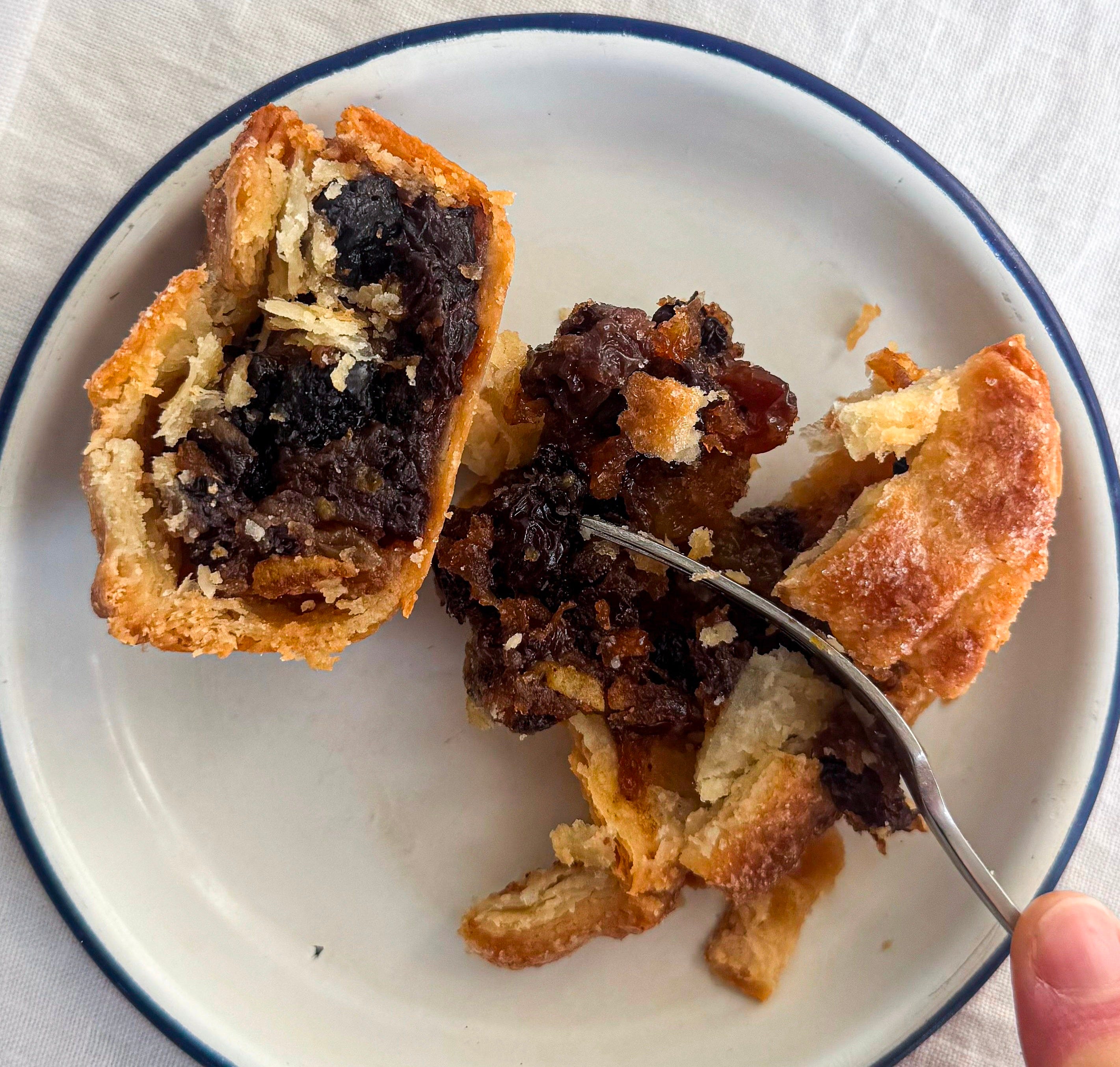
Mincemeat is hard to wrap your head around if you haven’t tried it before. It’s everything American kids don’t like: raisins, lumps, darkness that’s not chocolate, booze. But together? It’s juicy like a fruit pie, warmly spiced like gingerbread, and just zippy enough from the raisins and brandy to keep things feeling mystical and timeless. It’s a soul-baring flavour that British people also love in Christmas cake and Christmas pudding, baked and steamed variations, but I think the mince pie is where mincemeat truly shines. Of course, I can tell you how surprisingly deep and vibrant and harmonious these flavours are together, but nothing will make you love a mince pie like eating a mountain of them every year in front of a twinkling Christmas tree while grown ups get pink on sherry and Eastenders plays on the telly.


And that’s important: mince pies are Christmas food. At least, the kind of Christmas that starts in October and ends in mid January when the last six-pack of supermarket pies has been slashed to 25p. Flavour is a calendar, and for us, the first taste of mince pies triggers something unfailingly magical, like the first whiff of apple cider in Fall. Around Christmas, mince pies are simply everywhere: full size, minis, traditional, avant garde, supermarket, boutique, homemade. Everywhere. One of our more charming traditions is ‘stir up Sunday,’ where families get together to make their mincemeat on the last Sunday of November. At home we had a special spoon for this with a ceramic angel on the top that I will remember to the very depths of my old age. Don’t forget to stir in a wish!
How mince pies came to be associated with Christmas isn’t fully understood (though I’ve never craved one on a hot day), but they have always been considered a treat. Samuel Pepys, writing in 1661, recounts a couple celebrating their anniversary by eating one mince pie for each year they had been together - 18 in total! Still, they have been associated with the birth of Jesus since those same crusaders brought spices back from Jerusalem that were considered to be, correctly or not, the frankincense and myrrh given as gifts from the magi. In fact, early mince pies were oval-shaped to look like a crib (they were even called ‘crib cakes,’ which is just a tad too close to ‘crab cakes’ for my comfort).
What makes a great mince pie?
The mincemeat
The definition of great mincemeat is broad and welcoming. Ultimately, it’s a chance to show off your finest and yummiest ingredients, so add your favourite things and adjust the sweetness as you desire, but I will caution you that raisins and candied fruit are pretty much essential. Sub rum for the brandy. Sub pears for the apples, play around with it and find your favourite mix, but the recipe below is a great standard. I’ve gone a bit heavier on the apple to endear this to American palettes. For an alcohol free mincemeat, substitute the brandy for more orange juice and add some vanilla for flavour.
Now for the big one: do you need to age your mincemeat?
No, you do not. There’s no doubt it tastes better aged, but in my opinion, the differences are impercetible compared to the existence vs. non-existence of a mince pie in your life, so don’t let time stop you from making some whenever you fancy. My favourite tip for mimicking the aging process is to microwave your mincemeat for a couple of minutes to encourage the sugars to melt into the fruit and get the spices all active.
Beef suet vs. vegetarian suet vs. butter?
Suet is integral to the structure and texture of mince pies, but it isn’t easy to find outside of the UK, and the vegetarian alternatives aren’t altogether uplifting (heavily processed, lots of palm oil). My go-to is Atora beef suet, which I find in New York at Myers of Keswick or Kalustyan’s. You can use butter, but it does create a greasier feel and raises the risk of soggification. Camilla Wynne has an excellent solution for this: brown the butter first to remove the water content. Elegant and delicious, but my choice is still beef suet.
You could be a hardo and get fresh suet from your butcher, but it takes an awful lot of unpleasant work to remove all the vessels and sinews - all in all a less jolly experience that an angel-topped spoon. Which is what we’re going for.
Shortcrust vs. puff pastry?
Shortcrust is by far the most more common choice for mince pies, and my favourite is a slightly sweetened shortcrust that’s halfway to a shortbread biscuit. Some people try to keep the crust savoury to offset the sweet filling, but I actually find this backfires, and a salty crust just tastes jarring against the sweetness.
A few people swear by puff pastry, including Her Majesty Queen Elizabeth II. This makes for a glorious looking pie, and a delicious pastry, but to me? Not a mince pie. With such a juicy filling, the inside layer of puff pastry stays a bit chewy, and a mince pie really should crumble. Shortcrust is less fiddly and more forgiving, so there’s really no need for puff.


We want a shortcrust that’s flaky but also sturdy enough to ‘raise’ the pie. My go-to is a combination of lard and butter for maximum flake, and an egg for added sturdiness. That said, feel free to use all butter if you prefer to keep your pies veggie.
My mum’s best unkept secret was adding orange zest to the shortcrust. This is undeniably delicious, and probably the reason I’m such a fool for oranges to this day, but I have to say, there’s something delightfully tradtional and gift-wrap-special about keeping the fruit firmly on the inside.
Tops or no tops?
While you’re still new to mince pies, and for a long time after that, you want a high ratio of crust to filling. In other words, I like full tops. My mum made her mince pies festive with cut out stars, bells, and hearts on top, leaving some of the mincemeat visible. This is visual magic, but ultimately it reduces the total amount of pastry and lets more moisture escape from the pie during baking. I like a really juicy soft mince pie, so I keep mine tightly wrapped.
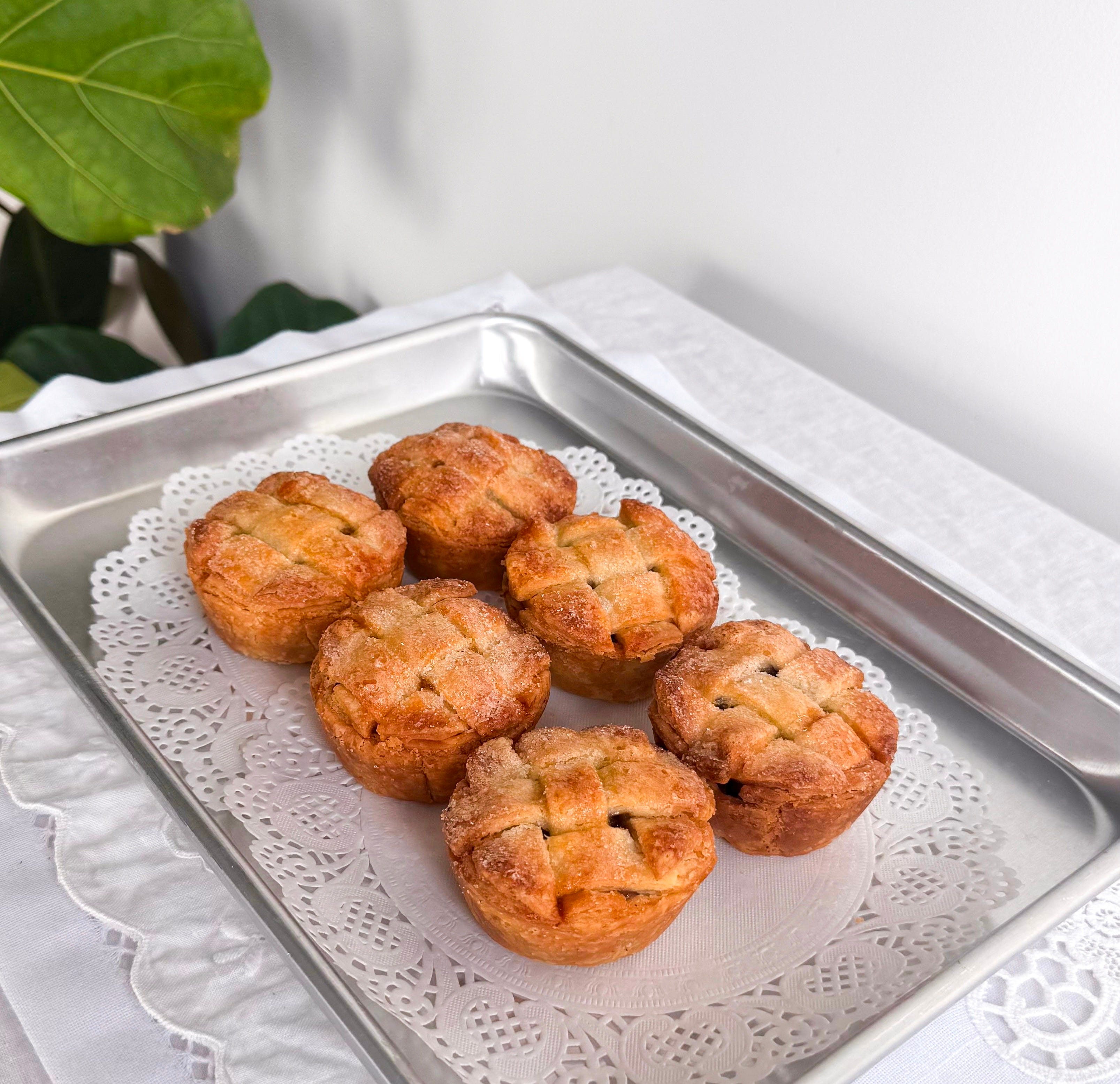
In search of my own unkept secrets, I tried a few different designs for my pies, from raised and fluted like a pork pie, to bundled like an upside down Eccles Cake, but the one that won a popular vote was an American pie-style lattice crust. The sweet symbolism of an America-friendly mince pie warmed me to no end, and she may just become The Buttery’s official mascot. What’s more, the lattice actually leaves you with not one but TWO layers of pastry on top. America, when you’re right, you’re right.


Fillings and dollops
In 1987 Josceline Dimbleby published “The Josceline Dimbleby Christmas Book” with a recipe for “Deluxe” mince pies that had a spoon of cream cheese baked inside along with the mincemeat. By 1997 this had trickled through the culture all the way to little Sidcup, and suddenly anyone’s mum who was anyone’s mum was doing the same. Was it delicious? Sure. Did it last? In Sidcup, yes, but not in more discerning parts of the country. Cream cheese was a fun experiment that got people invigorated, but not a lasting addition (though it has made me curious what other mince pie experiments have been lost to the centuries…).

Chefs and supermarkets (whose own brand pies are excellent and entirely socially acceptable) are endlessly one-upping each other with ever more curious twists on the mince pie. Heston Blumenthal leads this particular jape, putting everything from limoncello to carrots and carraway in his mince pies. Fun, but only after you’ve had your fill of the normies!
A longstanding addition with many centuries’ seal of approval is almond cream, aka frangipane, which can be added as a dollop inside the pie or in place of the top crust. I wasn’t sure about this until the Hairy Bikers got behind it, and they can do no wrong. This sounds delicious, and I’m excited to explore it next year, but our business now is with the classics.
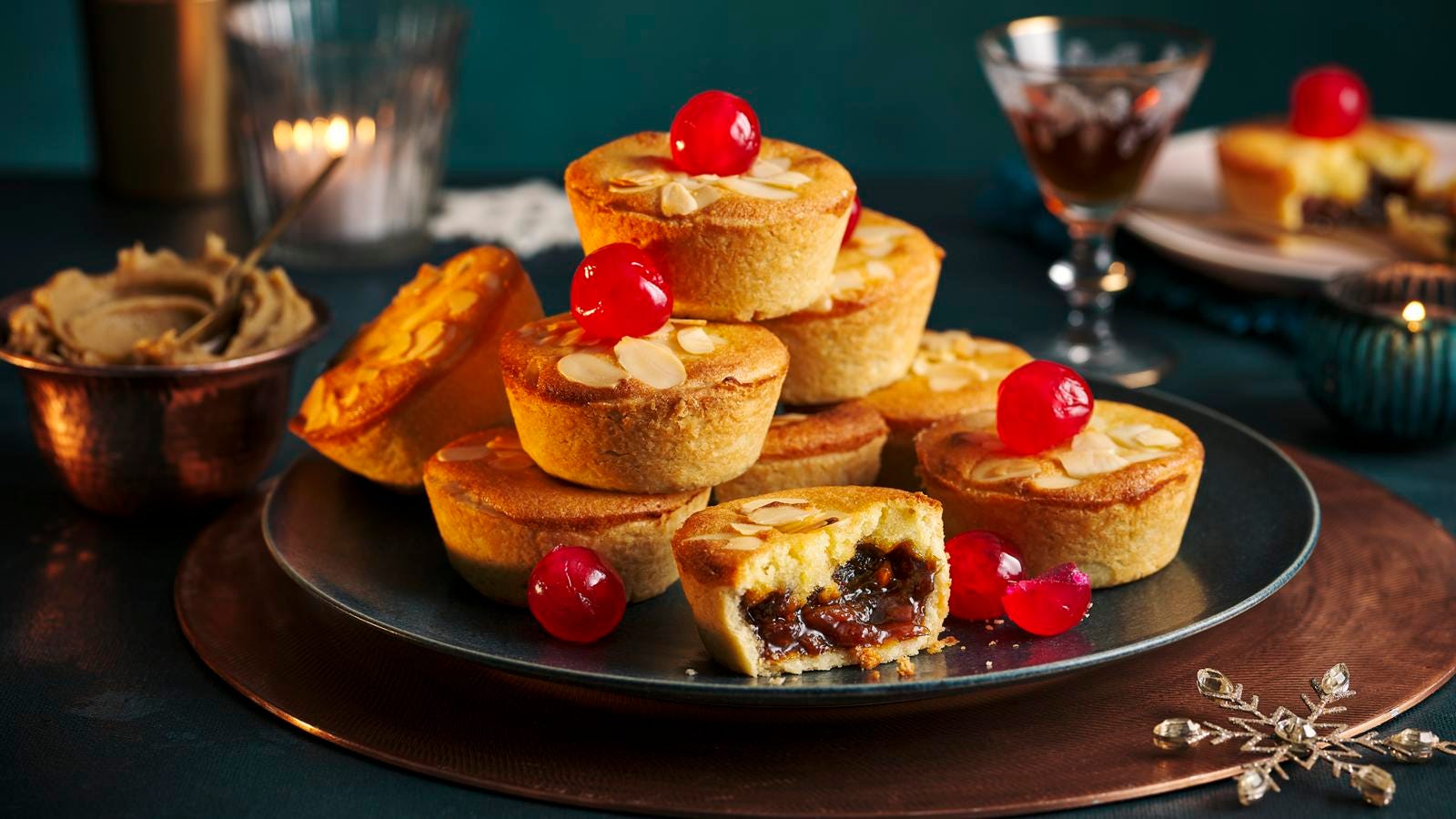
Whether you’re away from home and longing for a familiar taste of Christmas, or new to mince pies and morbidly curious about this longstanding tradition, I highly encourage you to make a batch and share them with your friends!
The recipe
Makes 12 mince pies. 4 hours, 2 hours active time.
Mincemeat ingredients - Makes enough for 2 batches of pies. Keep the rest and age it!
240g suet, Atora brand, Atora vegetarian, OR 115g browned butter (cook down 150g unsalted butter to get 115g browned butter).
350g peeled and grated apple (about 3 medium apples)
120g candied orange peel, chopped fine
230g raisins
230g golden raisins
230g dried currants
190g brown sugar, scant 1 cup (demerara sugar is ideal, but no worries if you can’t find it!)
Zest and juice of 1 large orange
Zest and juice of 1 lemon
65g brandy, or dark delicious spirit of your choice (rum is fun!) OR, 50g additional orange juice plus 2 tsp vanilla extract
1/2 tsp ground cloves
1/2 tsp cinnamon
1/2 tsp ground allspice
1/2 tsp ground nutmeg
1/2 tsp salt
NOTE: you can use any mix of dried fruits and peel that you like, so long as it adds up to 810g.
Shortcrust pasty ingredients (adapted from Camilla Wynne’s great recipe!)
350g (2 1/2 cups) all purpose flour
113g unsalted butter, cold (1 stick)
113g lard (often labeled as “manteca” in New York), cold
3/4 tsp salt
25g (2 tbsp) sugar
1 egg
1 tsp vinegar (rice or cider both work well)
Ice water
Egg white and granulated sugar for assembly
Method
Make the mincemeat. Mix all the mincemeat ingredients together in a big bowl, adding the brandy last. Stir in a wish for the year ahead! If using immediately, microwave for 2 bursts of 30s, stirring in between, then set aside to cool while you make the dough. If you plan to age your mincemeat, pack tightly into sterilized jars, pressing out as much air as possible, seal well, and store in a cool dry place.
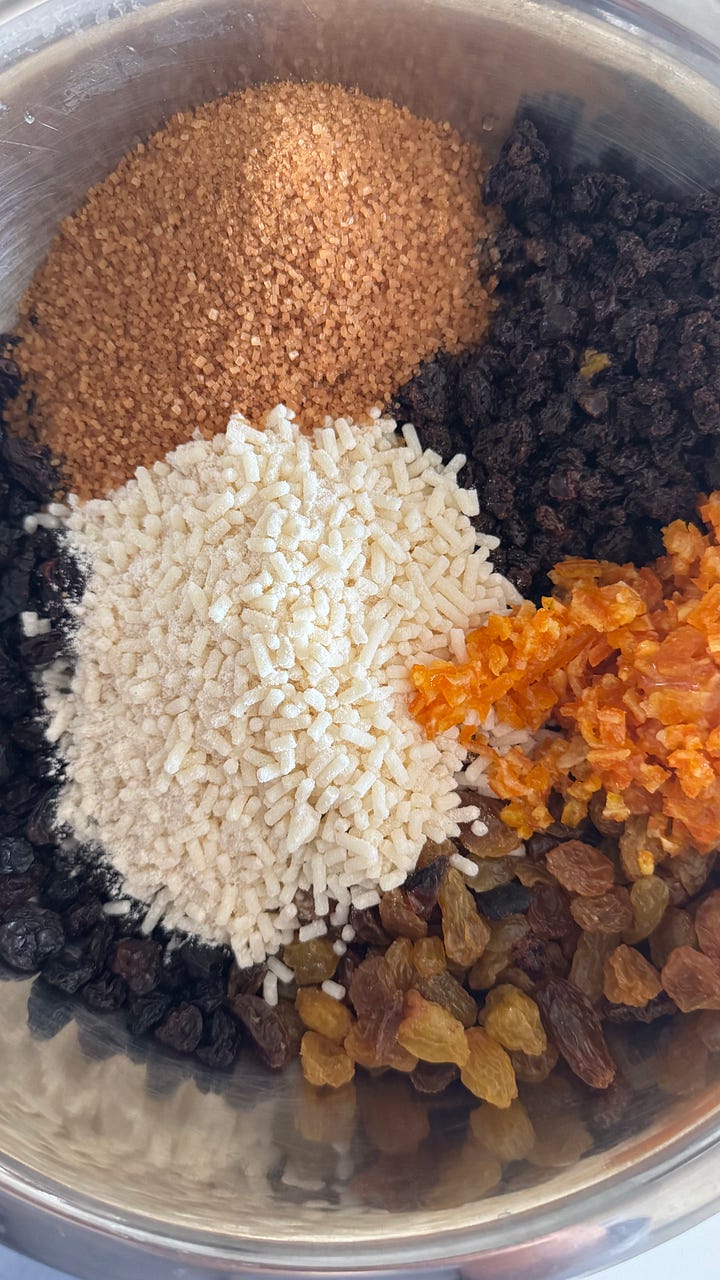
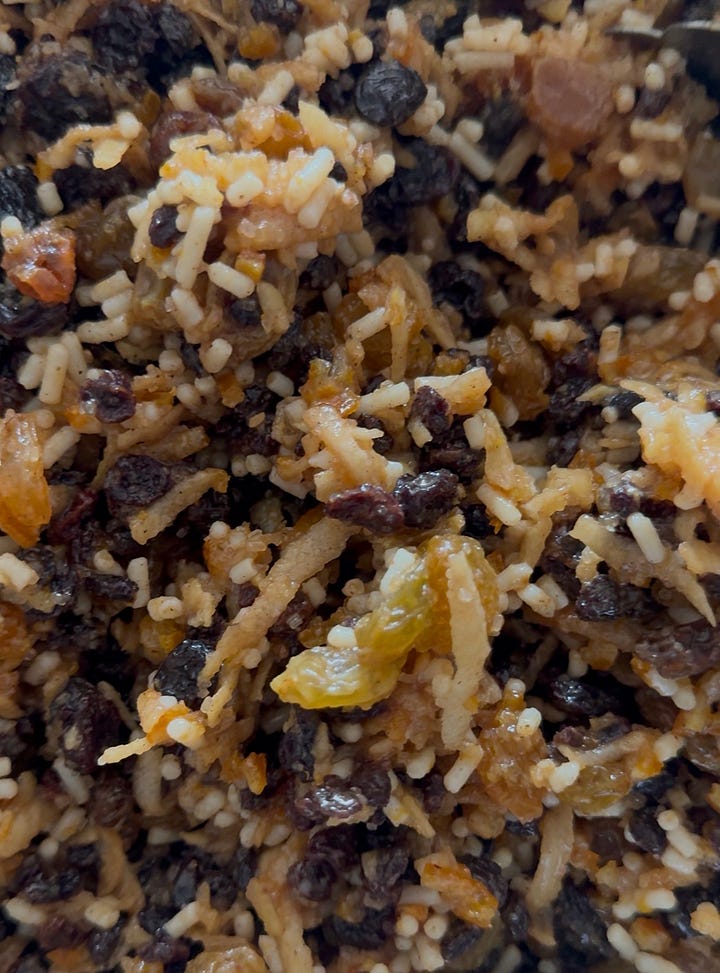
Mix all the mincemeat ingredients together Make the shortcrust pastry. Mix the 350g flour, 3/4 tsp salt, and 2 tbsp sugar in a big bowl. Beat the 1 egg in a separate bowl with the 1 tsp vinegar, and about 3 tbsp ice water. Set aside. Add the cubed, cold 113g butter and 113g lard to the flour mixture and rub through with your hands until the mix resembles a blend of breadcrumbs, peas, and some big shaggy flat bits of dough. Drizzle over the egg mixture and stir with a fork until the mixture just about holds together. Add more ice water 1tbsp at a time as needed. Tip the dough onto a clean work surface and press together. Using a sharp knife, cut the dough in half and stack the two halves on top of each other, then press flat. Repeat 2 times until the dough comes together with fewer dry patches. Wrap tightly and refrigerate for at least 30 mins, or up to 2 days.


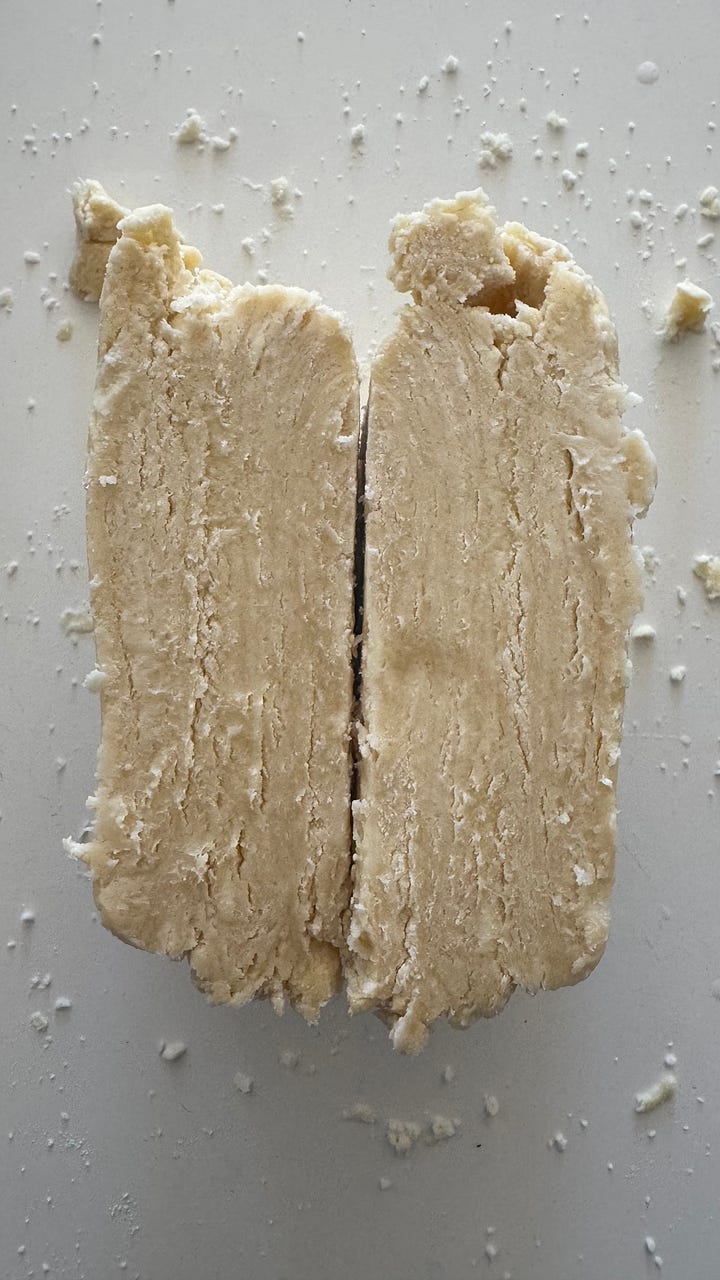
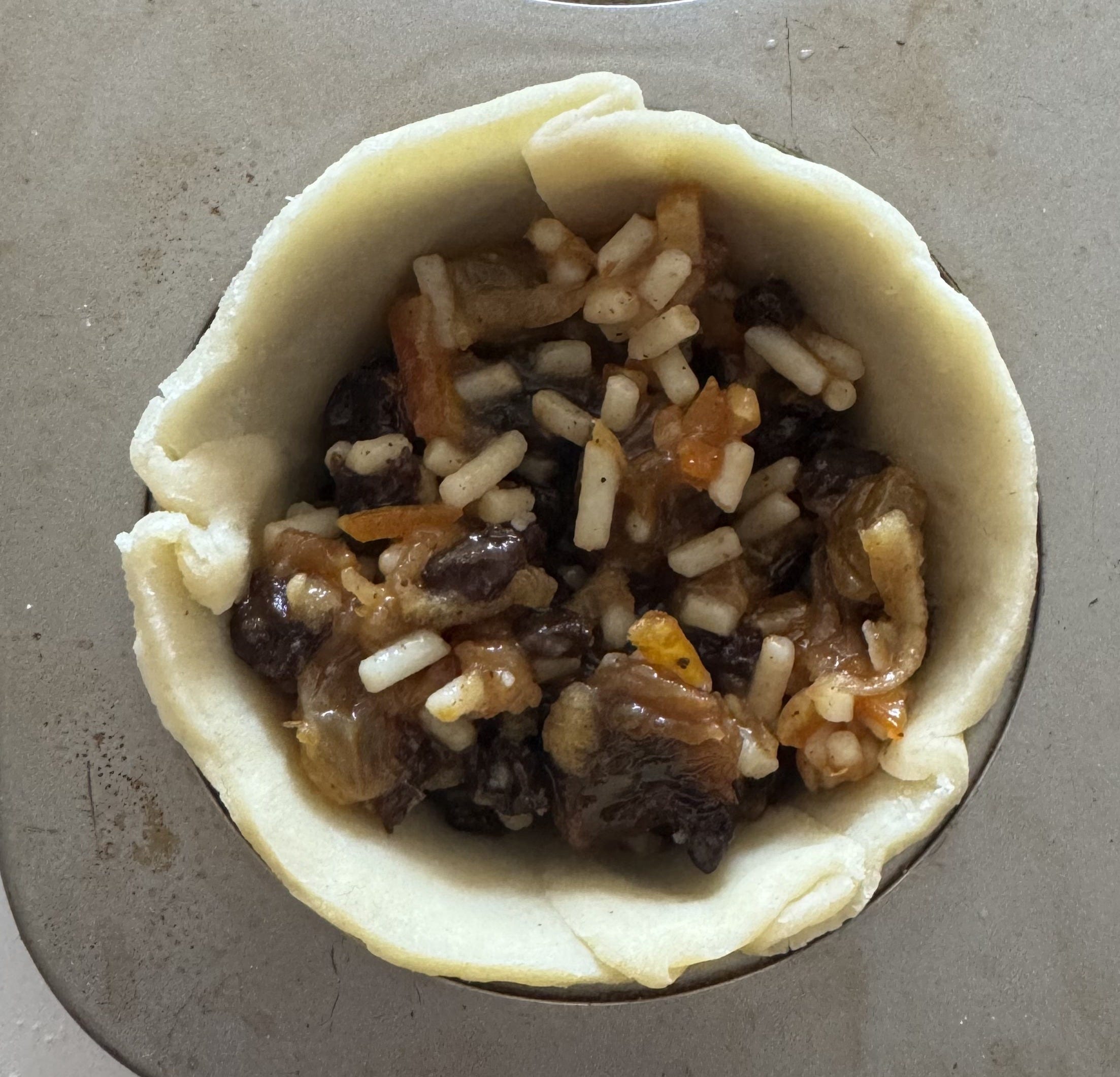
The journey of shortcrust pastry: Rubbing in the fats, stopping when they're miced enough(!), drizzling in egg, packing together, and the final flaky product Assemble the mince pies. First, preheat the oven to 400F/200C. On a floured surface, roll out your shortcrust dough until about 1/8”, or just 1-2mm. You may find it easier to roll out half the dough at a time! It feels thin but this dough is robust. Use flour as needed to stop the dough sticking. Cut out 12 circles 4”/10cm wide and press them into the holes of a standard cupcake tin. There will be a lot of folds, but don’t worry, just press the dough around the sides until it’s about even. Make sure to patch up any holes with extra pastry. If the mincemeat spills out during baking it will stick to the tin like rain to a picnic. Fill each pie with mincemeat until it reaches the top without being overstuffed. Brush the rims of pastry with egg white.
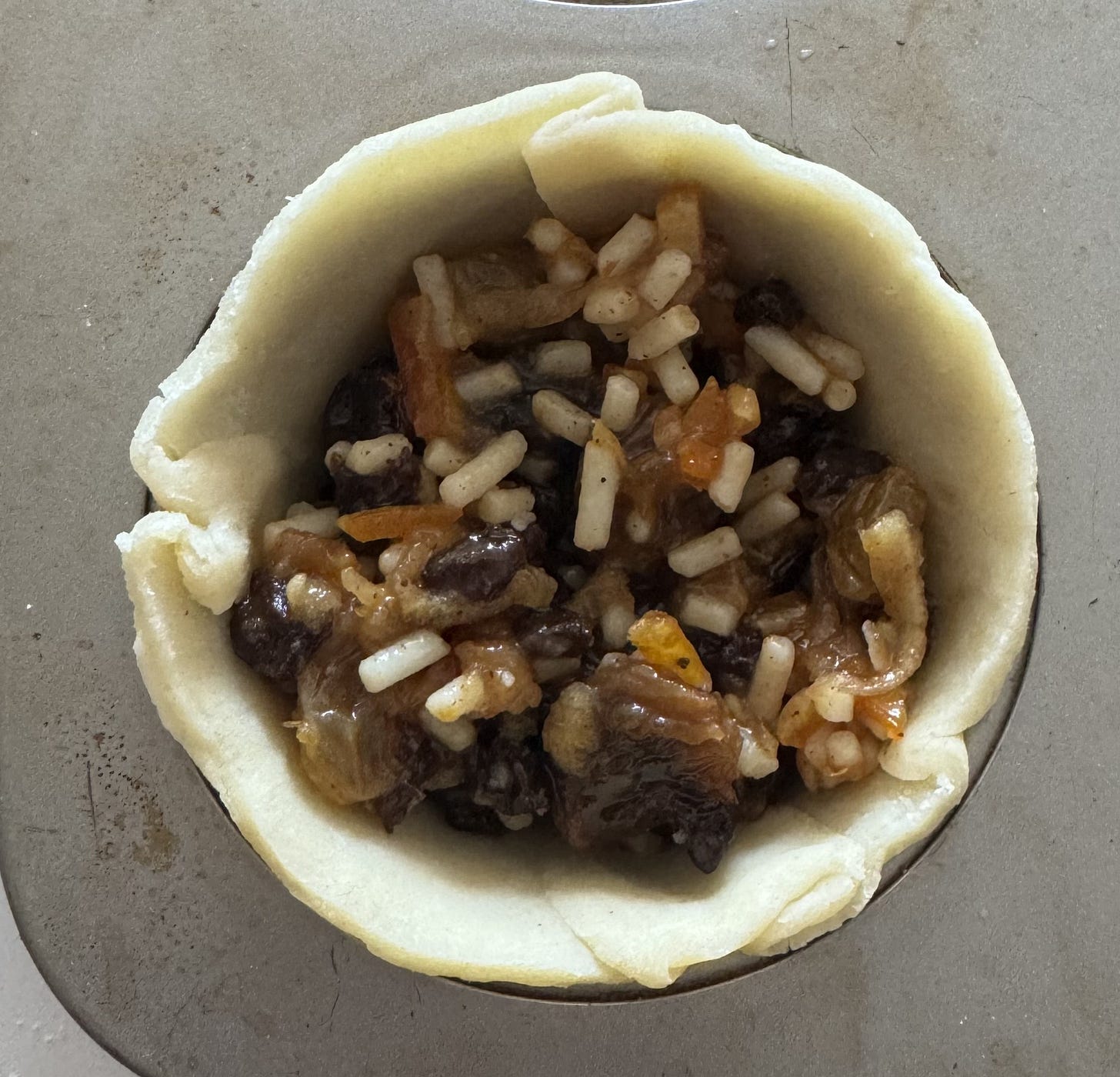
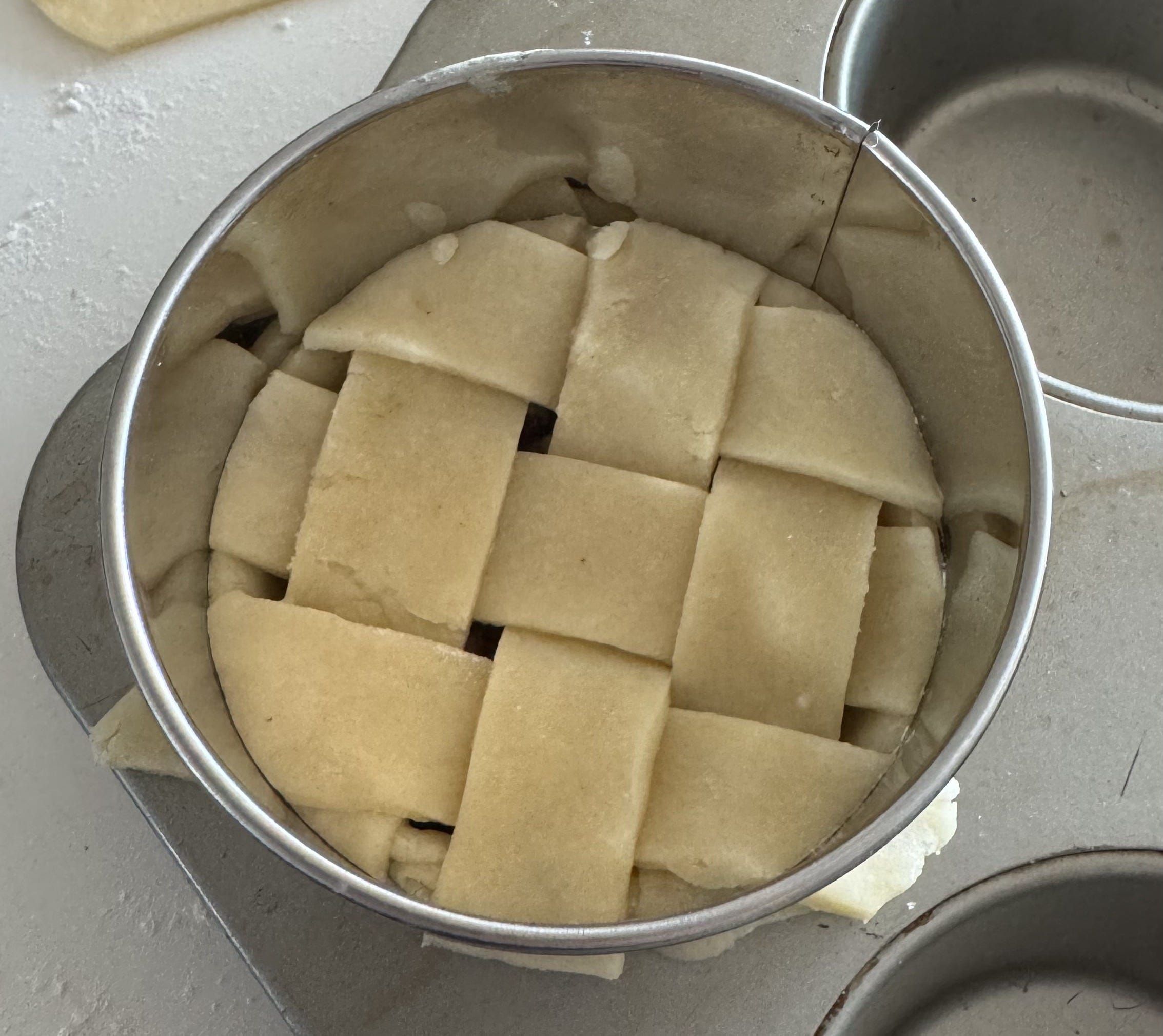
A good fill level Make the tops: for a quick and simple version, cut out rounds of pastry 2 3/4” / 7cm wide (or use a cookie cutter to make sweet shapes!) and press onto the top of the pies. Cut a small ‘x’ or vent in the center. Alternatively, make a lattice design by cutting strips of pastry about 3/4” or 2cm wide, and layering them on top of the pie. Use a circle cutter to neaten up the edges and stick all the pastry together. Brush the tops with egg white and sprinkle generously with granulated sugar! Refrigerate until your oven is at temperature.
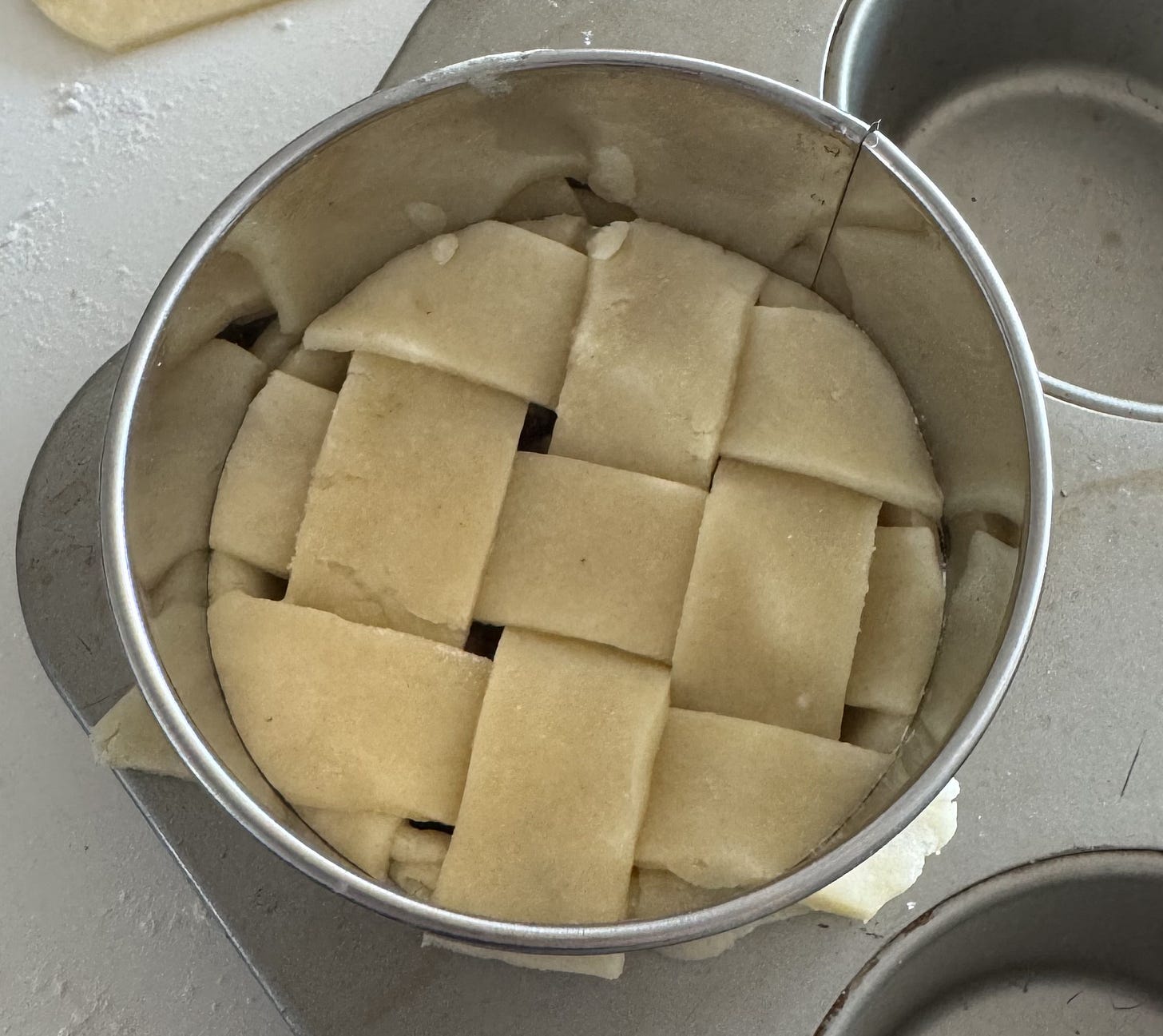
Use a ring cutter for a clean edge on your mini pie! Bake the pies: Put your pies in the middle rack of the oven and reduce temperature to 375F/190C. Bake for 25-30 minutes, rotating pan halfway through, until nicely browned on top. The optimal time in my oven is 28 minutes, but every oven is different! Remove from oven and let cool for 5 minutes, then remove them from the cupcake tin by gently twisting them loose, then popping out with a knife. Eat immediately, with plenty of cream and/or custard and/or ice cream! If not eating immediately, store in an airtight container for up to 2 days (4 days in the fridge). Reheat in a 350F / 180C oven for 10 minutes before serving.


Sources
BBC, “The Strange and Twisted History of Mince Pies”, 8 December 2017, https://www.bbc.com/future/article/20171208-the-strange-and-twisted-history-of-mince-pies
British Food: A History, “Edward Kidder’s Early 18th century mince pies,” https://britishfoodhistory.com/2023/12/22/edward-kidders-early-18th-century-mince-pies/