

Steamed chocolate pudding
The best cakes make themselves. Your only job is getting as cosy as possible.

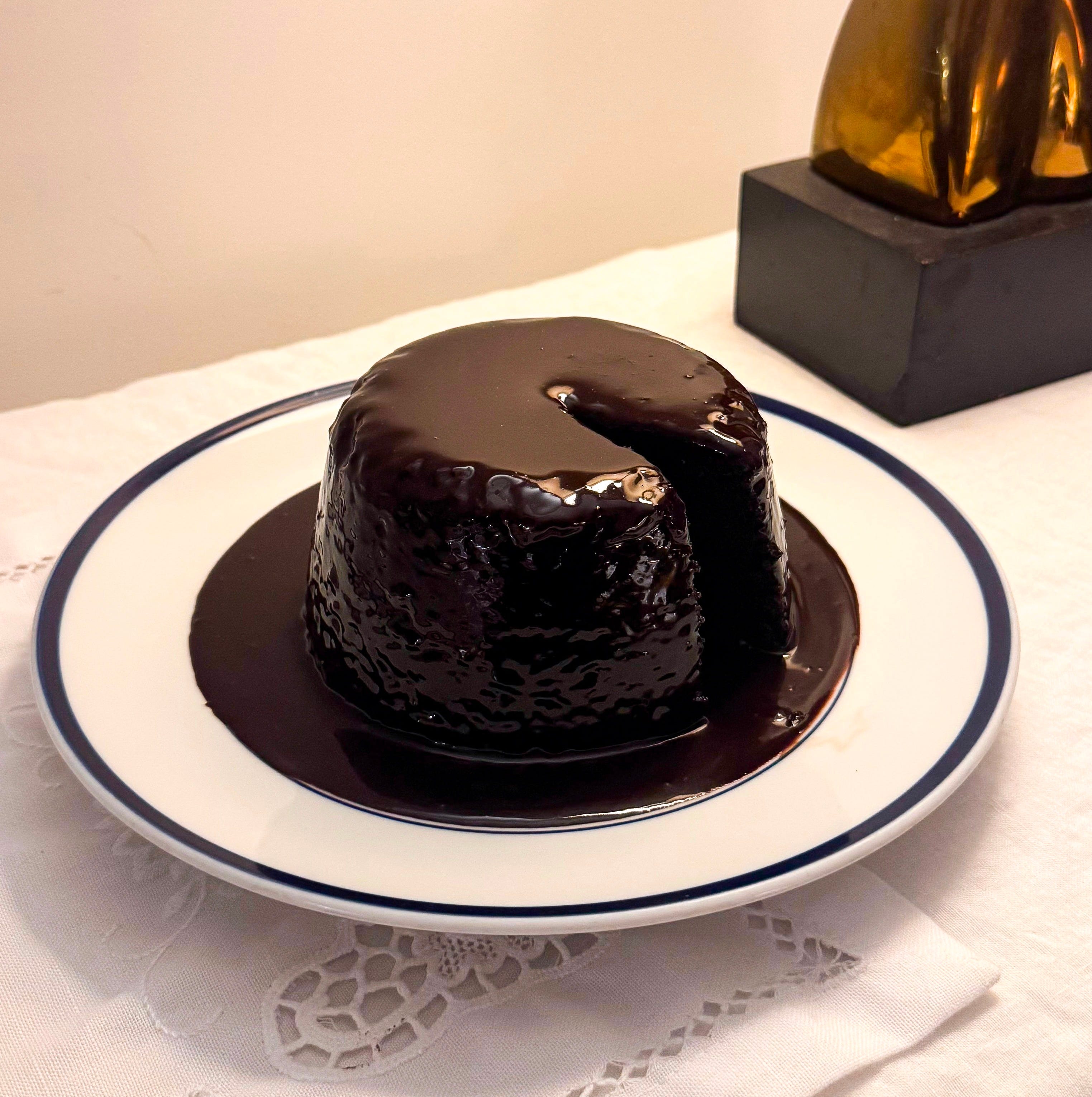
Everyone loves to poke fun at Britain’s puddings (spotted dick?), but really, the names are the least strange part. What our goofiest bakes actually have in common is steaming, an overlooked and underloved cooking method that kept families in cake long before the oven skipped into our lives.
To those who’ve never done it, steaming feels like the remit of balletic dim sum parlours or frightening health spas, but the truth is so much easier, and much, much more indulgent. Steaming produces cakes of unimproveable texture, with sponges so tender they wobble under their own weight. It vanquishes dryness and shuns buzzers. To cook this way, you must rest.
Steaming isn’t quick, but to consider time an inconvenience is to miss the point entirely. Steaming invites you to sink into a sofa or the back room of a pub while nature does the work, because she is, above all things, forgiving. Fifteen minutes here or there makes little difference to the outcome, so I can set a pudding on the pot as the starters come out, and whether my friends linger over one bottle of wine or three, she’ll still be in tip top shape for dessert.


My mum did the cooking in our family, but my dad sorted out puddings, and he rarely let us go to bed without a bowl of something spongey buried in custard. The simplest of all was suet pudding - the vanilla sponge cake of steaming. Add raisins and it became spotted dick. Add golden syrup and we had treacle pudding. Throw some apples in the bottom of the bowl and there was the rather elegant Eve’s pudding. We never knew any of these names, only that inimitable texture - dense yet airy, bouncy and spoon-tender - like a squashed old sofa that gives the best sleep of all.
We’ve covered steaming twice before on The Buttery, with Jam Roly-Poly and Sticky Toffee Pudding, but this time we’re delving much deeper into the science and history. Your prize for listening will be chocolate. And not just any chocolate: the deepest, fudgiest, easiest chocolate cake of your life.


The history
Steaming is not unique to British cooking, but it is central, at least until a few decades ago when gas ovens offered a much quicker way to bake. Traditional steams are hours-long affairs, made for the days of open fires and eternally bubbling cauldrons, when cooking and living were indistinguishable, and time was measured in pints. I highly recommend this diagram of the cauldron as a never-ending cooking ecsystem, from Food in England by Dorothy Hartley (source British Food History by Dr. Neil Buttery)
